The Wild Ride of Being Human
My life has been shaped in profound ways by the act of writing. I began putting my thoughts on paper thirteen years ago at a writing workshop at Esalen led by bestselling author Laura Davis. It took place less than two months after my father died, when the loss was fresh and the grief deep. It was there that I discovered how enlightening and healing writing could be.
For months after the workshop, I woke up early every morning to write about my father using custom prompts that Laura created for me. While I was diving into our history and pouring my love onto the page, I was unearthing and preserving precious memories. Back then, I had no idea that what spilled from my heart would one day help me write a book about my dad based largely on an unfinished manuscript he left behind—Quest for Eternal Sunshine.
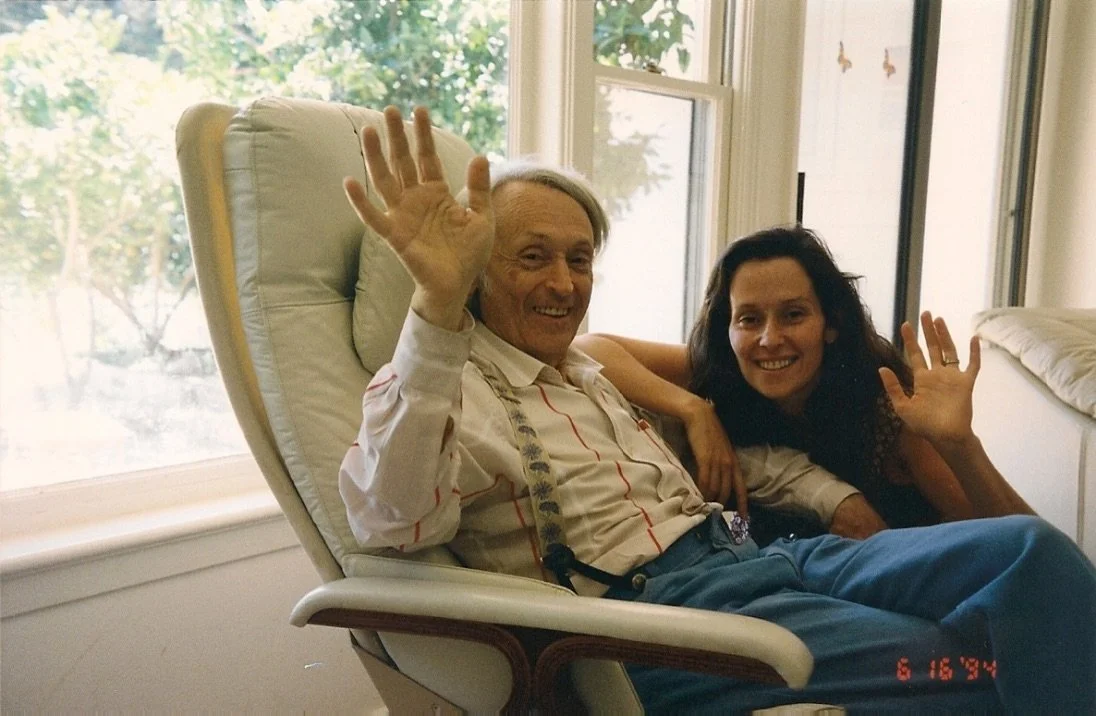
My father’s manuscript explained the essential role writing had in his life. As a Holocaust survivor who’d suffered unimaginable loss, pain, and brutality, writing was the best way my dad found to sort through his feelings and face his past. The horrific nightmares that plagued him for decades after the war only stopped when he began to write.
Writing was central to my father’s journey of healing and awakening. Recording his philosophical revelations and spiritual experiences brought him greater clarity and strengthened their impact. It also allowed him to share these gems with others, which has been one of my life’s biggest blessings.
My new favorite book—The Book of Alchemy: A Creative Practice for an Inspired Life, by Suleika Jaouad (pronounced Su-lake-uh Ja-wad)—has me thinking a lot about my father. Like my dad, Suleika experienced tremendous trauma, hers in the form of ongoing, severe illness. Diagnosed with an aggressive form of leukemia at 22 years old, she endured four years of excruciatingly painful treatment. Since then, her cancer has returned two more times, resulting in a total of three bone marrow transplants and their accompanying complications and aftereffects.
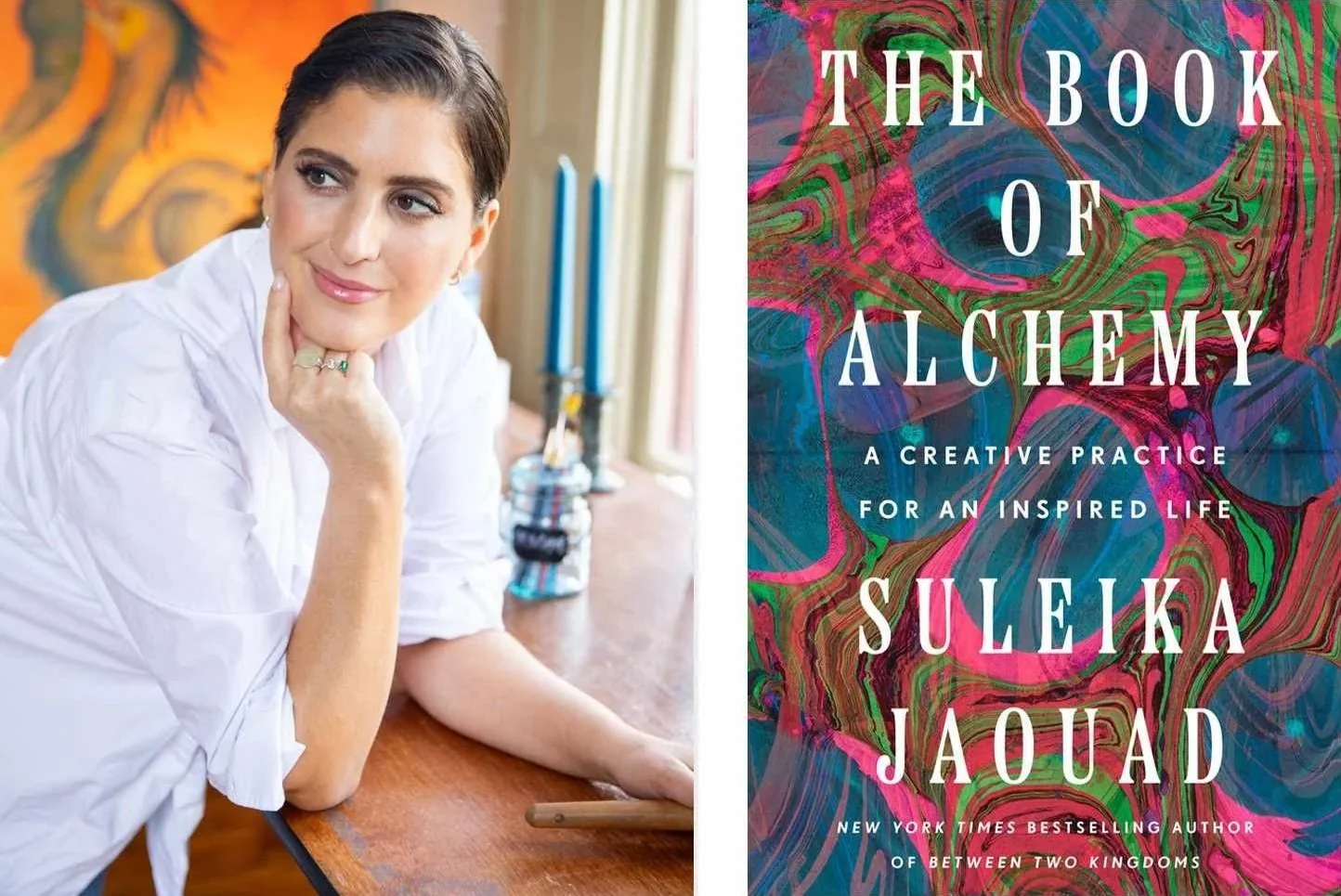
Through all of this, Suleika credits her journaling practice with helping her make sense of “this wild ride that is being human.” She says that for her, journaling has been a life-altering and life-saving practice. “The Book of Alchemy contains everything I’ve learned about how journaling can help us transform life’s interruptions and tap into that mystical trait that exists in every human: creativity.”
While we all face the challenge of living on this planet with the certain knowledge that we and everyone we love will pass away one day, most of us prefer to ignore that fact as long as possible. Suleika, who at twenty-two was given only a 35% chance of surviving—and who lost the majority of her close friends who were also being treated for cancer—had to learn to live with that undeniable truth as her constant companion. She wrote, “After you’ve had the ceiling cave in on you—whether through illness or some other catastrophe—you don’t assume structural stability. You must learn to live on fault lines.”
Despite their immense suffering, both Suleika and my dad were successful in their quests to find joy, peace, and meaning in their lives. I'm grateful that through the wisdom they’ve shared and by the inspiring examples they’ve set, many of us have more tools to help navigate this wild ride of being human.
Part of the magic of writing about our lives is that it is an act of self-prioritization that almost always leads to heightened self-awareness and clarity. When we give ourselves our full attention, we’re acknowledging the importance of what happens to us and how we feel about it. This helps us follow the examples set by Suleika and my dad—claiming our agency and becoming the hero of our own life.
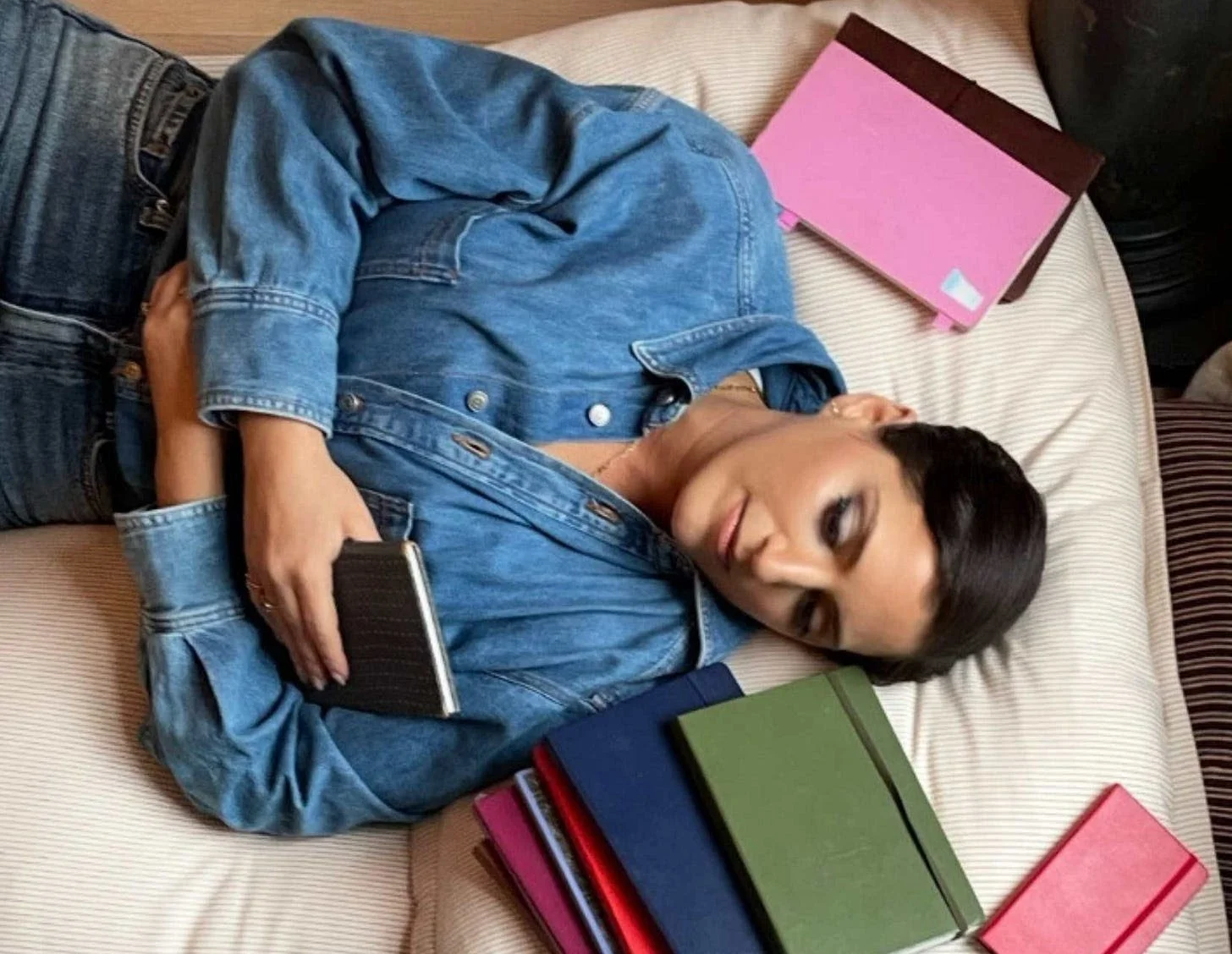
During Suleika’s first illness, her journal entries became the basis of an award-winning column she wrote for the New York Times—“Life Interrupted”—as well as her best-selling memoir about the challenges of rebuilding her strength and finding her place in the world after completing her first treatment marathon, Between Two Kingdoms: A Memoir of a Life Interrupted. During COVID, Suleika created “The Isolation Journals”—an incredibly popular online community that journaled using prompts she provided—an experience that inspired The Book of Alchemy.
Each of the ten chapters in The Book of Alchemy focuses on an essential aspect of being human—such as love, memory, fear, the body, and the ego. Every chapter opens with a wisdom-rich introduction from Suleika, followed by ten short essays and a writing prompt that were penned by a wide range of contributors, including Gloria Steinem, Elizabeth Gilbert, Ann Patchett, Lena Dunham, Pico Iyer, and Suleika’s husband, musician Jon Batiste. Altogether, these one hundred essays and prompts offer a rich and varied tapestry of creative inspiration.
Suleika’s goal for the book is to provide “tools to engage with discomfort, to peel back the layers, to uncover your truest, most laid-bare self—and in doing so, to distill kernels of insight, to dream daringly, to learn to hold the brutal and the beautiful facts of life in the same palm.” She believes that the process of journaling is alchemizing. “The journal is like a chrysalis: the container of your goopiest, most unformed self. Day by day, page by page, you uncover the answers that are already inside you, and you begin to transform.”
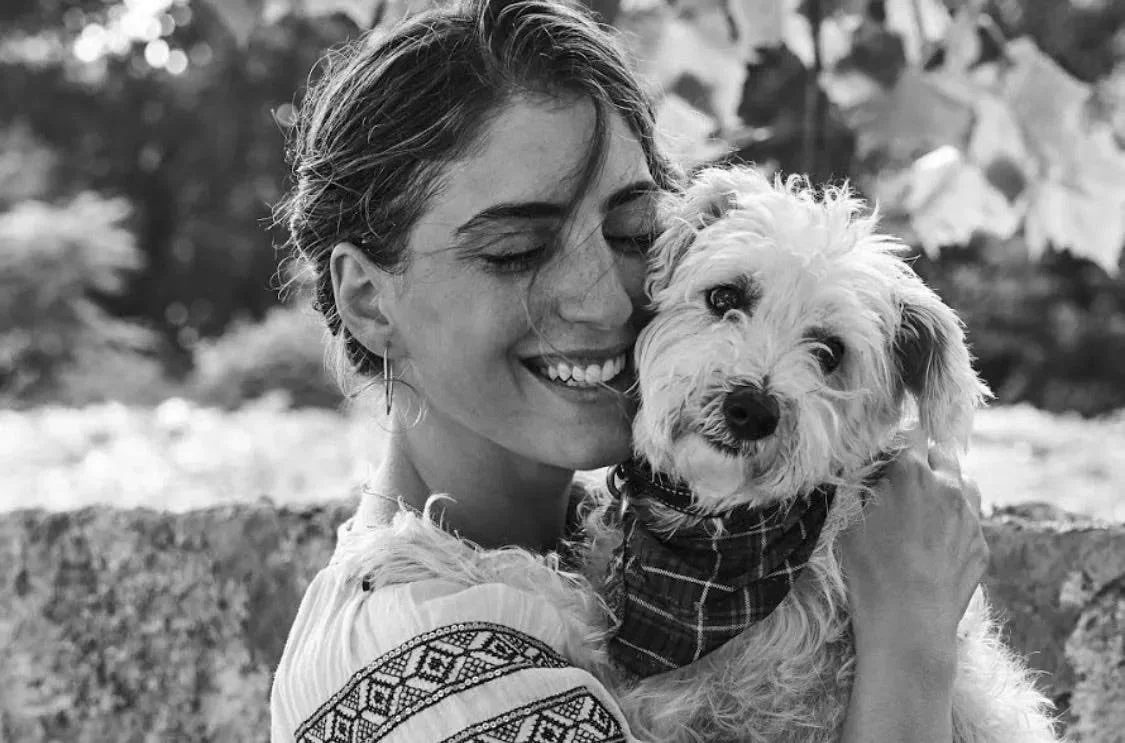
Suleika in her 20s with her first dog, Oscar
In the chapter about memory, Suleika helped me understand why writing was so cathartic for my father. She wrote, “I’ve found that it’s not avoiding such memories, but consciously grappling with them that frees me from their grip. After putting them on the page, I’m no longer pinned by them, pinned to that moment, that feeling, that hurt. With a little distance, they are transformed from a trauma that I’m forced to continually relive into a record of my resilience, which lends me pride and confidence. They become a reminder to my future self: See what you’ve been through. Look at what you survived.”
In the chapter about ego, Suleika wrote about something essential to my dad’s journey: the importance of not ignoring our inner voice that tells us what we need, or what might bring us peace, comfort or joy because it is drowned out by a “chorus of societal expectations, by naysayers and critics, or by our own belief that we have to follow the rules, to be good, to be perfect.” She said that learning how to free ourselves from all the stymieing effects of perfectionism and embrace making mistakes is pure liberation. It removes every roadblock to creativity in one fell swoop.
Even if you don’t have any interest in journaling, Suleika’s essays—as well as many of the short stories and prompts in her book—will touch your heart, expand your perspective, and get you thinking.
For example, Elizabeth Lesser’s essay, “Darling, I Am Here for You,” explores the most meaningful way she learned to support her sister during a severe illness. Her prompt invites readers to reflect on the gift of presence—writing about a time when someone showed up for you, or when you showed up for someone else.
Thinking about this prompt awakened a long-forgotten memory of when I had mononucleosis for most of a summer as a teenager, and how my mom stayed home and cared for me the entire time. She made instant chicken noodle soup from a box we both ate as I roused myself from my bed every afternoon to watch three soap operas back-to-back while sitting side by side on the couch. It was the most time we’d ever spent together.
Before contemplating that prompt, I hadn’t remembered that my mother had given me this gift of love, support and companionship. This memory feels especially precious, because it helps counterbalance my focus on all the ways she hadn’t nurtured or protected me while I was growing up.
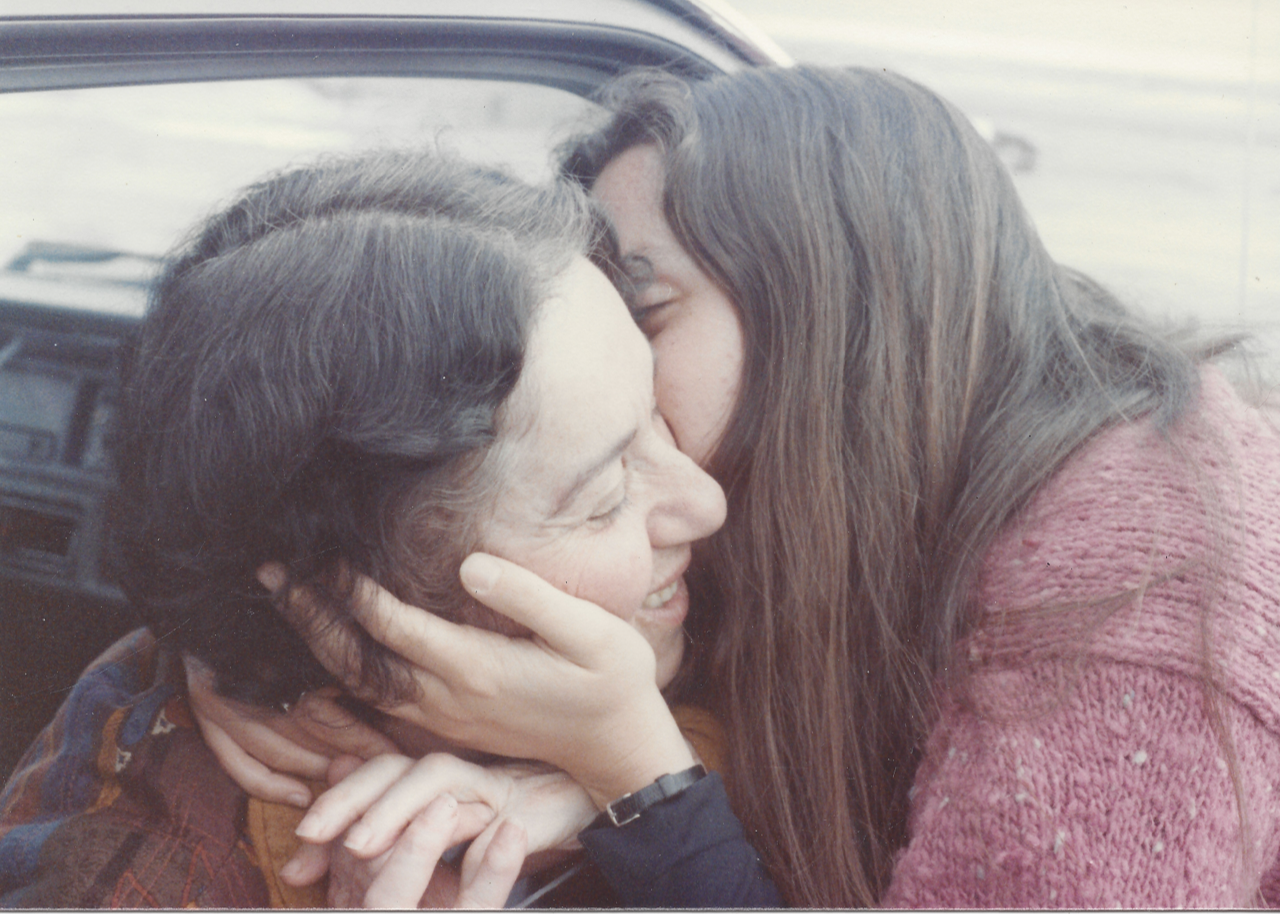
Myra at 18, with her mother Edith
My favorite prompt from the book came from an essay titled, “From My Bed,” by Irish artist and writer, Tamzin Merivale. After writing about her life through the lens of the beds she’d slept in—the ones she shared with friends or lovers, the air mattress that deflated every night, the hospital beds, beds where she felt safe and cozy, and one where she heard the whistles and roars of bombs—she offered this prompt:
“Write about all the beds you’ve ever slept in—the beds that felt like home, those that felt like hell, the beds you can barely remember and those you’ll never forget. What memories float up?”
I tackled this prompt in list form, including any details that arose and wanted to be cataloged. The long-forgotten memories it conjured—some still confusing, some difficult, and some sweet—were unexpectedly moving and illuminating. Perhaps give this prompt a try, and see what happens for you…