Permission to Feel Everything
I don’t believe I ever threw a tantrum while I was growing up. According to my mother, I was a “good” child, perfectly behaved, which she said made me easy to love.
Now, as a woman in my sixties, I watch in amazement when my five-year-old grandson freely screams and cries when he doesn’t get what he wants—whether it be a certain snack or permission to watch another episode of his favorite show.
My daughter stays calm while witnessing my grandson’s dramatic release of fury and frustration. Usually, within minutes, it’s all over. There are no hard feelings on either side. The two-way stream of love between parent and child flows strongly and steadily—uninterrupted, never in question. My story is different.
My mother was always exceptionally sensitive to anything she interpreted as disrespect, criticism, or rejection. The outrageous story she never once budged from was that my sister Ruthie permanently rejected her at 13 months old—when I was a newborn and she arrived home from the hospital with me in her arms after being absent for an entire week. “Ruthie turned away from me when I walked in the door. She wouldn’t even look at me. I knew she didn’t want me anymore,” my mother continued to assert throughout her entire life, even into her mid-nineties.
From that moment on, I was branded the “good” daughter. Even as a baby, I instinctively understood that the comfort and security of my mother’s love were conditional. Expressing even a hint of anger was dangerous. It would make her pull away.
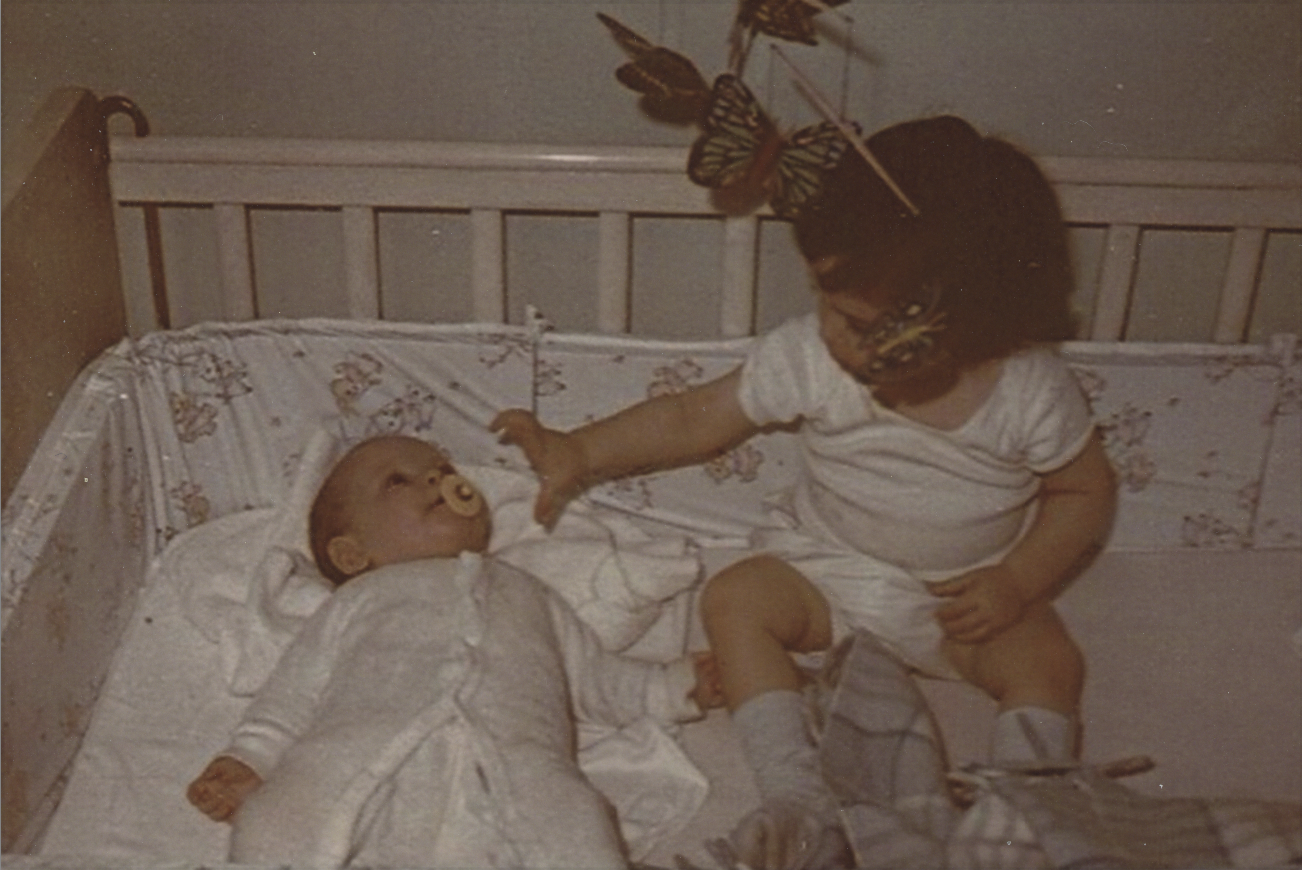
Baby Myra with her sister Ruthie
As I grew older, watching my mother’s extreme reaction to any trace of negativity she imagined was directed toward her reinforced the imperative of behaving perfectly to stay on her good side. Everyone was either her ally or her enemy, and she was always on high alert for even the subtlest sign of threat or betrayal.
My mother was magnificent in many ways, and her force field was immense. She was incredibly charismatic—smart, keenly observant and intuitive, generous, and gifted with a wonderful sense of humor. Yet she also lacked emotional regulation and was highly volatile, dispensing tremendous love with the same powerful intensity as her furious eruptions. The contrast was severe. To be in her favor felt like sitting beside a cozy, warm fire with an extra-delicious cup of hot cocoa. Rejected, you were punished to wander a freezing tundra, alone and bewildered.
For my entire life, I feared my mother as desperately as I loved her.
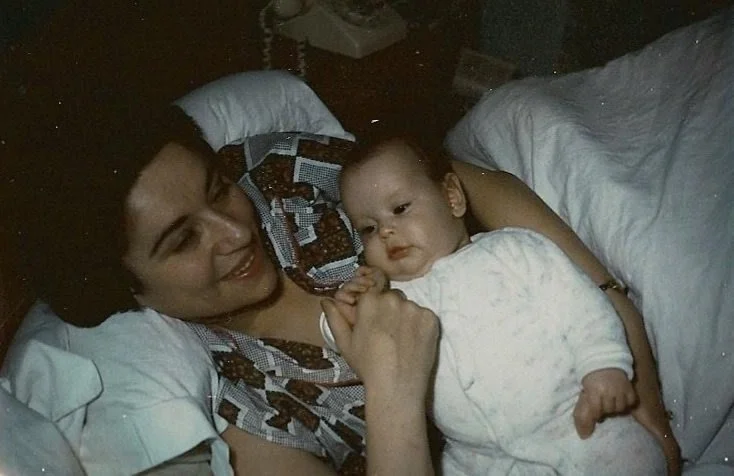
4-month-old Myra with her mother Edith
Beginning in her early 90s, when my mother could no longer take care of herself independently, our roles began to reverse. She would sometimes even slip and introduce me as her mother.
This was an especially difficult time. My mom regularly directed her anger and frustration toward me, constantly threatening and chastising me for my unwillingness to have her move in with me. No matter how upset and triggered I was, I felt obligated to extend unlimited compassion and kindness toward her because of the incredible traumas she’d experienced. Not only was my mom a Holocaust survivor who had been transported to Auschwitz at 15 and left orphaned, homeless and penniless, she’d also experienced many significant traumas as a young child. Compared to her suffering, I’d always discounted my own as being inconsequential.
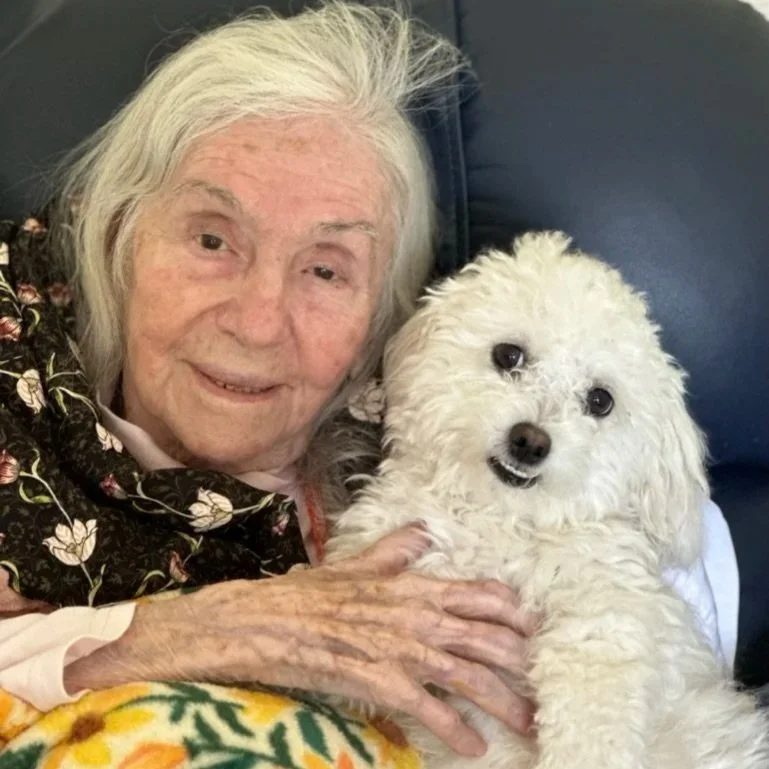
Edith at 95 with Ruthie’s puppy Bliss
My mother died on her ninety-sixth birthday in a surprisingly beautiful way. In the days right before her final transition, she was filled with an immense love for my sister and me that felt completely pure and boundless. It was as if the heavy trauma shroud that had always stifled and distorted her essential glory had miraculously vanished. Even when she could no longer speak, our mom kept silently mouthing the words, “I love you. I love you,” over and over again to my sister and me.
With my mom in the spirit world, I fully expected to experience the same magical connection of love and light with her that I’ve felt with my father since he died more than a decade ago. But that’s not what happened. As the months passed, I felt increasingly knotted up, resentful, and bewildered—as if I were trapped in a constricting straitjacket made out of uncomfortable emotions I couldn’t decipher.
Eventually, I realized that in my mother’s absence, something within me was finally trying to break free from all the ways I’d been contorting and repressing myself in my unrelenting, anxious efforts to always be “good.”
After a lifetime of trying to keep my mother calm and stay safely on her good side, repressing my anger had become so automatic that I had no idea how much of it existed. Even after she passed, being honest about those feelings—whether in my thoughts or on the page—felt taboo, and like a profound betrayal.
Anger had always felt like a highly dangerous emotion to me, whether it arose within me or was directed toward me. This extended into my entire life, not just my relationship with my mother. Suddenly, a lifetime’s worth of exiled anger was rising to the surface, insisting on being acknowledged, explored, and truly felt. It was quite an emotional adventure.
Unearthing My Suppressed Anger
During this time, I began experimenting with a technique called JournalSpeak, which is basically a no-holds-barred, radically honest journaling practice that is meant to excavate and discharge your most difficult emotions. It gives you total permission to explore all of your thoughts and emotions without censorship—including your full-blown rage, shame, regret, grief, and terror—knowing that what you write is most likely not objectively true, it’s simply how you’re feeling in that very moment.
Once your writing session is over, you dispose of it safely or delete it from your device. This reassures your unconscious mind that it’s okay to write anything at all, no matter how shocking or societally unacceptable.
The final step is to spend a little time offering yourself loving-kindness and compassion, which teaches your nervous system that it’s safe to feel even your biggest emotions, as well as to register their impermanence as you witness how they ebb and flow.
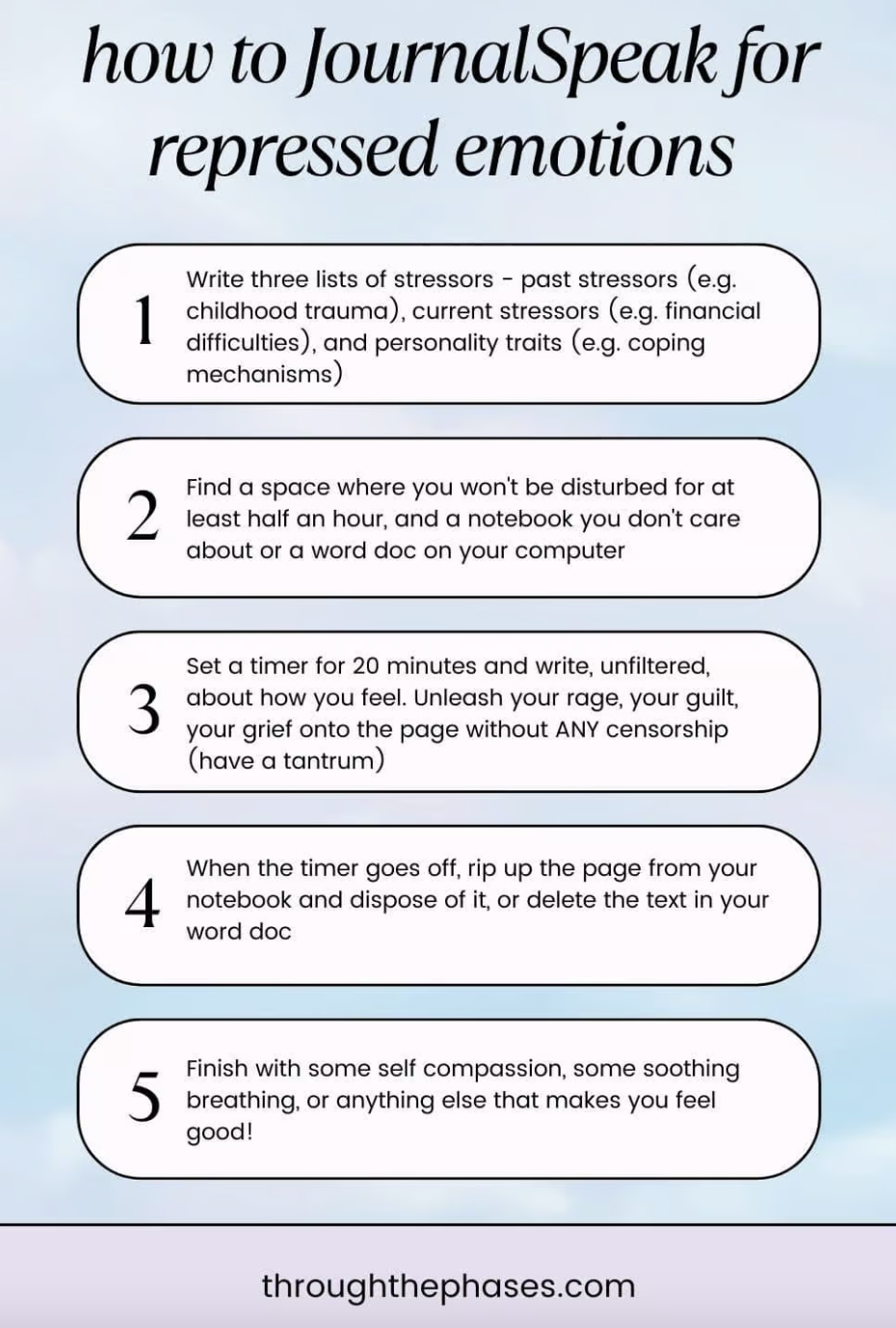
JournalSpeak helped me access anger buried so deeply, I never knew it even existed, and to be totally honest about certain feelings for the very first time. I discovered that my anger toward my mother held many truths I needed to explore and learn from. I saw the ways that my anger rose up in reaction to healthy boundaries that had been breached, the countless times I hadn’t been adequately protected or nurtured, and the many ways I’d twisted myself into someone I thought I needed to be, instead of knowing that it was safe to be the person I actually was.
Qigong has also become a powerful companion in this process. Through specific practices designed to clear and dispel tension, agitation, and emotional buildup, I’ve learned to work directly with the energy of anger in my body. Rather than holding it in or pushing it away, I know how to move and release it. It’s one thing to understand anger intellectually, but it’s another to feel it shift physically—to experience the body returning to a sense of calm and ease.
Anger is a Map
When I finally allowed myself to process my anger towards my mother—to set the little girl in me free to tantrum without fear of rejection—I began to feel a delightful lightness, joy, and sense of freedom radiating from my inner child. This took me by surprise.
I realized that by suppressing my anger toward my mom, I was not only suppressing important parts of myself, I was also suppressing my love and appreciation toward her. As psychotherapist Lori Gottlieb says, “You can’t mute one emotion without muting the others. You want to mute the pain? You’ll also mute the joy.” Facing my anger became a portal to healing, growth, and a deeper connection.
When the plug on my anger was finally pulled out, something unexpected happened—waves of joyous and tender memories kept rushing in. Now I recall so many things I love about my mom, and have many special moments to treasure. I finally feel that beautiful spirit-to-spirit connection with her that I am grateful to share with my dad.
As I’m becoming more comfortable with anger, I’m starting to see the important messages it often brings with it, such as a clear “NO!” when boundaries have been crossed. Observing that with people I love, anger is often a first reaction that covers up feelings of hurt, shame, or disappointment, I began to understand why my mother would lash out when she felt most vulnerable, powerless, or unheard. It was a protective mechanism—being the attacker instead of the victim gave her a sense of power.
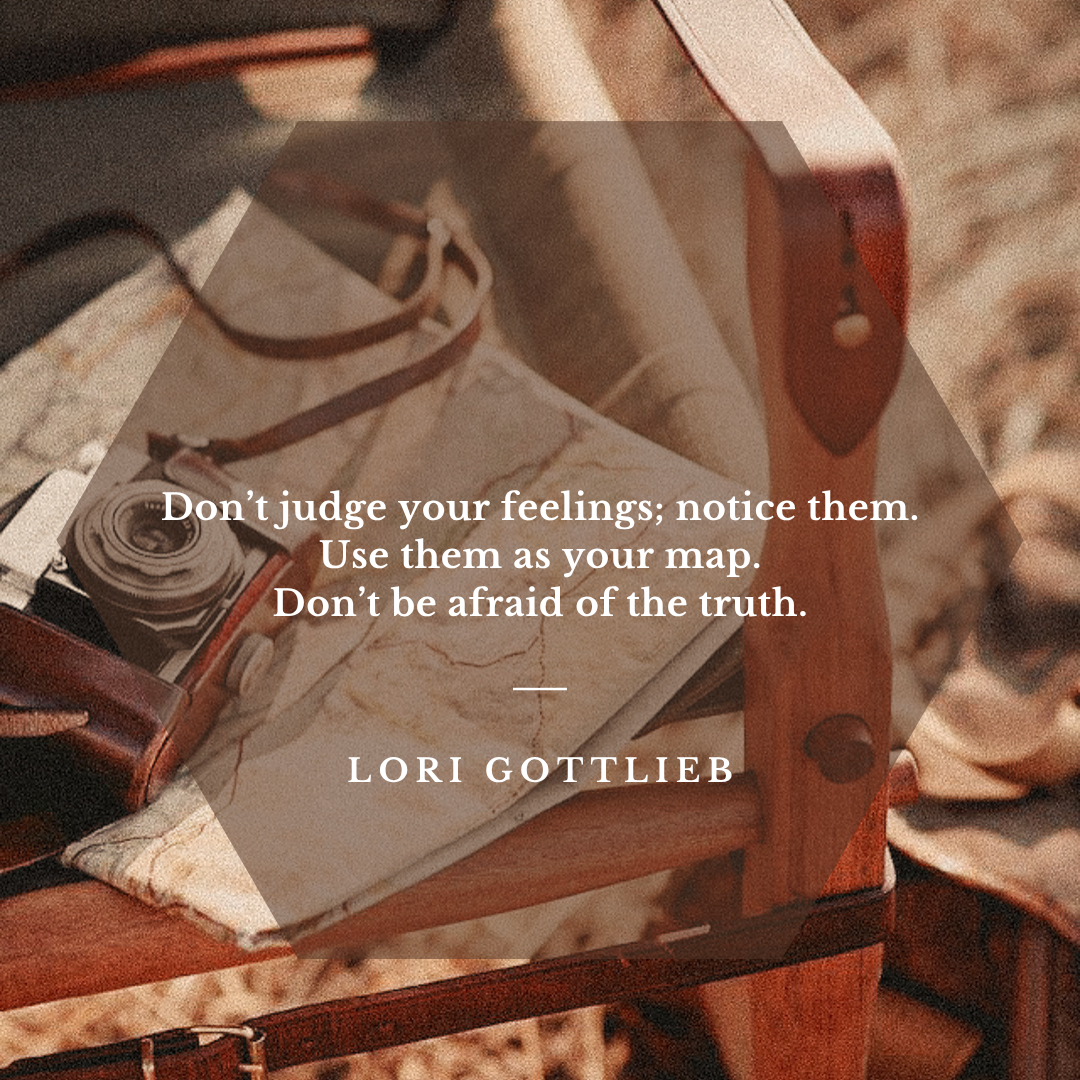
Gottlieb explains that all our feelings are positive in the sense that they tell us what we want and function as our inner compass. If we don’t access all of our feelings, we’ll end up walking around with a faulty GPS system. “Don’t judge your feelings; notice them. Use them as your map. Don’t be afraid of the truth.” Getting more comfortable with anger has been liberating in so many ways. I am able to be more honest with myself and others, and also less afraid to set boundaries that might cause that emotion in others.
Yet anger is tricky. When approached wisely, it can lead to clarity and spur us to take actions that move us in a positive direction. But when acted upon impulsively, it can be incredibly destructive, because it’s a powerful emotion that easily hijacks our nervous system and narrows our perspective.

In my mother’s case, I watched her anger burst forth like boiling lava from a volcano. At those times, she absolutely believed that whoever her anger was directed at was completely responsible for the massive upswell. She couldn’t see that it stemmed from the backlog of unprocessed hurt, grief, fear, and unmet needs that had accumulated over her entire life.
Now, when anger rises within me, I try to meet it with curiosity and patience instead of fear. I’m learning to feel it in my body, to pay attention to what it’s asking of me, and to let it move through rather than act on it too quickly. What once felt dangerous is beginning to reveal itself as a doorway—one that leads me back to honesty, clarity, and a deeper connection with both myself and the people I love.