Nourishment, Fear, and My Quest to be Here
My clearest memories of growing up in Brooklyn in the late 1960s and early 1970s revolve around food and fear. Looking back, I can see how much they influenced the direction of my life, guiding me to devote myself to endeavors that promote health and healing.
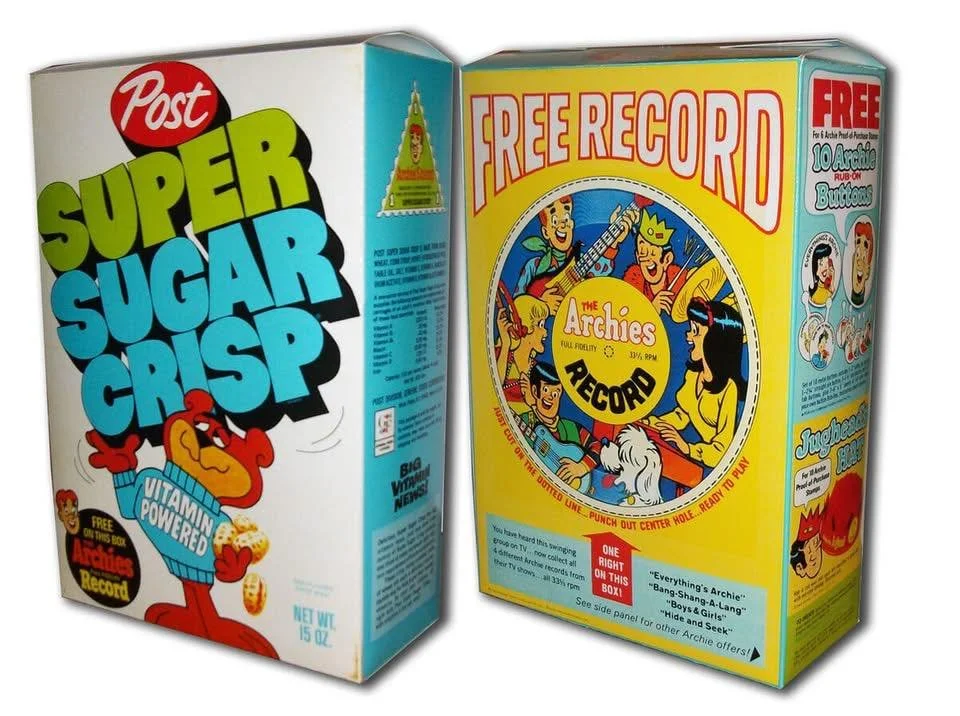
Mornings in our house centered around cereal. Our white kitchen table was covered with a large assortment to choose from, including my favorites: Sugar Corn Pops, Cap’n Crunch, Frosted Flakes, and Lucky Charms. Most had a toy waiting at the bottom of the box, but some had a record on the back that we could cut out and actually play. These exciting enticements spurred my sister and me to eat as much and as fast as we could.
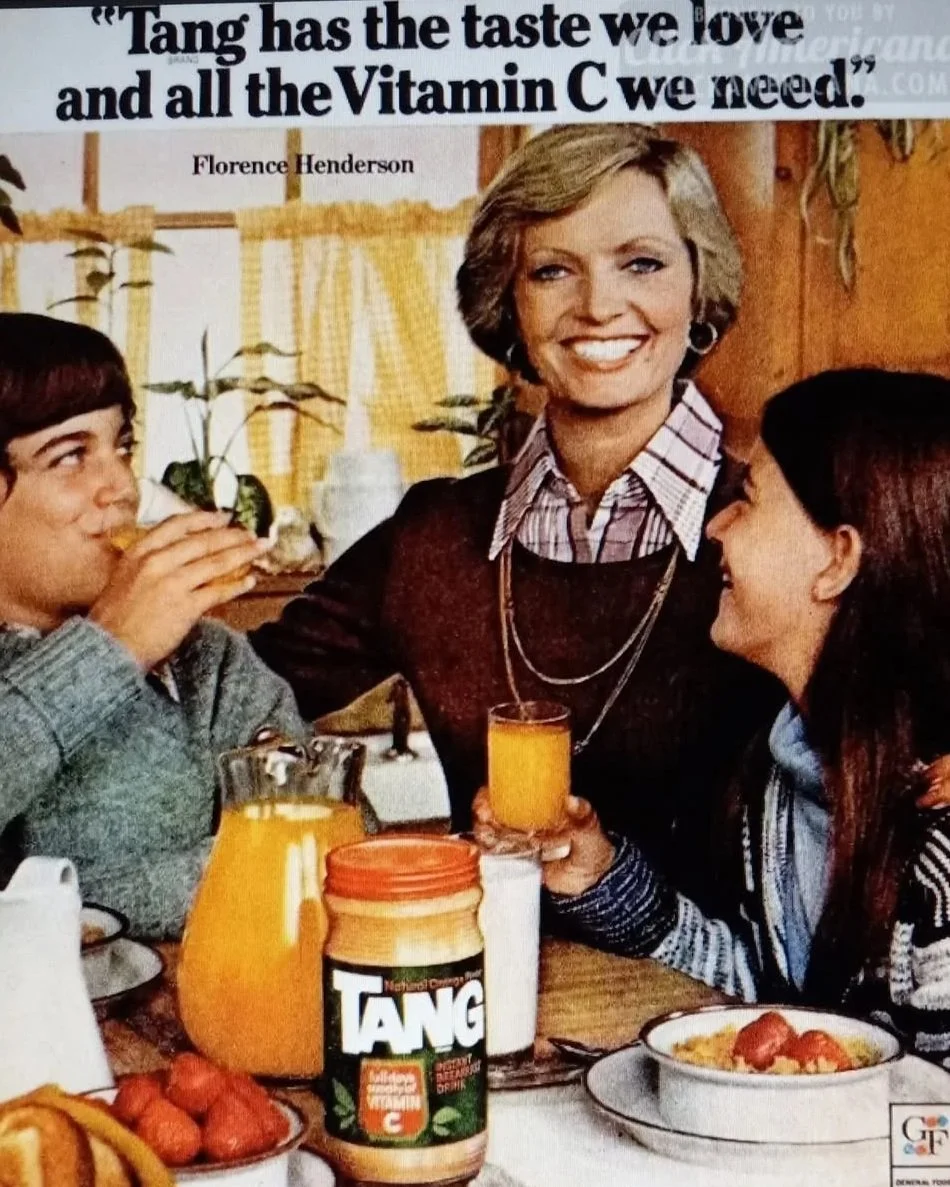
In place of orange juice, our mom gave us a jar of Tang with spoons and glasses of water. The instant orange drink mix—made of sugar, citric acid, and artificial flavors and colors—was popular because commercials proclaimed it’s what astronauts drank in space.

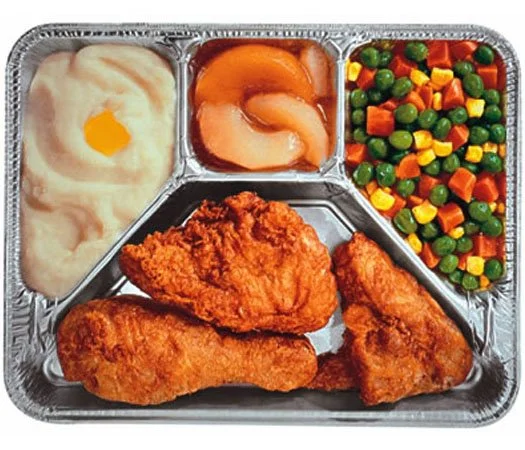
There was a small black-and-white television mounted high on a shelf near our kitchen table that was always on while my sister and I ate breakfast. It was still on when we came home from school in the afternoon ravenously hungry—when our mother served us TV dinners before heading back to bed. Neither my sister nor I can remember eating a single piece of fresh produce in our childhood home.
When I reflect upon my unexpected career as a pioneering organic farmer, I can see how much of my determination to produce the healthiest food possible was rooted in the poor diet I was raised on. I carried a deep hunger for food that had life—unprocessed, nutrient-rich, straight from the earth.
My early lack of wholesome nourishment fueled my passion for thirty years as Earthbound Farm grew from a tiny roadside stand into the largest grower of organic produce in the world—a challenging journey that required relentless effort and fortitude.
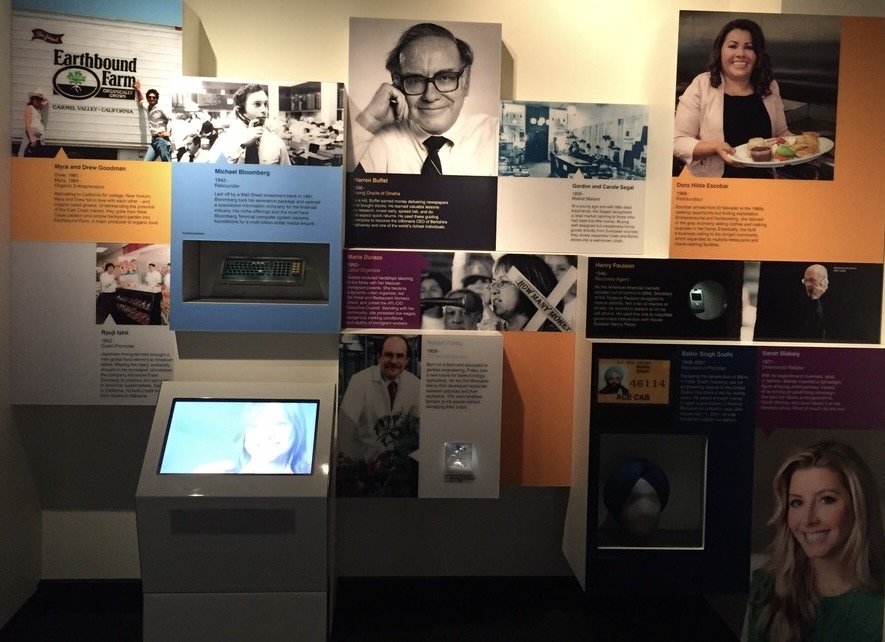
Myra and her husband, Drew, featured in the Smithsonian Institution’s American Industry exhibit (top left corner) for bringing organic produce into the mainstream.
Another persistent legacy from my childhood was fear.
As a young girl, most nights I lay frozen in bed, terrified as I strained to identify ominous distant noises. The adults in our neighborhood frequently spoke in whispers about all the break-ins, and I perpetually worried our house would be next. My bedroom was the first in our hallway, which made me feel even more vulnerable.
Those times when I just couldn’t bear my accelerating fear any longer, I would bolt out of bed and run down the hall into my parents’ room. Having survived the trip, I’d curl up in the large, gray faux fur lounge chair at the foot of their bed, and sleep there for the rest of the night. I often woke up with one arm and shoulder so numb I couldn’t move or feel them—something else I found petrifying.
In addition to my night fears, I experienced sudden feelings of “not being here” that terrified me. It was as if I were dissolving—detaching from my body as the world grew less solid and more distant. The sensation was so disorienting and isolating that I’d start to panic, desperate to feel normal again: solid, grounded, here.
Back then, I had no idea what was happening to me. I only recently discovered that this experience has a name—dissociation—and that it’s a common self-protective response to trauma. When the nervous system feels overwhelmed, the brain disconnects awareness from bodily sensations and emotions to turn down the intensity of the experience, creating a sense of separation between the self, the body, and the surrounding world. Many trauma therapists say dissociation is essentially “leaving the body to stay safe.”
Although I hadn’t experienced acute trauma directly when I was very young, my mother and father were both Holocaust survivors. As teenagers, they’d been starved and brutalized in forced labor concentration camps, while their parents and most of their families were killed.
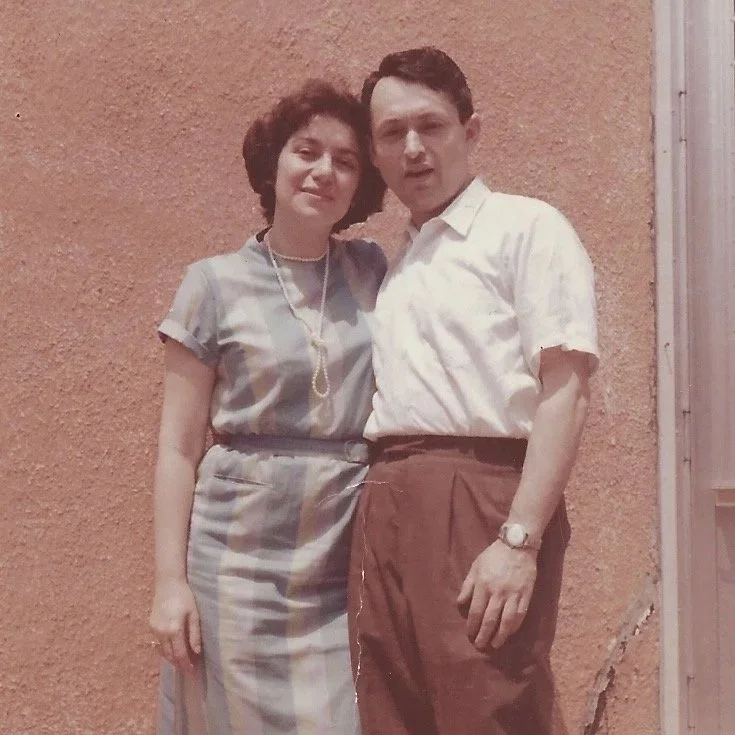
Myra’s parents, Edith and Mendek Rubin, 1962
When I was growing up, my parents never spoke about the horrors they’d endured, but a heavy, dark energy of suppressed grief and terror was ever-present in our home. Without having been told, I knew unspeakable catastrophes lived just beneath the surface of our lives—catastrophes that could very well happen again.
Children of Holocaust survivors have been documented to exhibit higher rates of anxiety, hypervigilance, emotional numbing, and dissociation. Research confirms that when a child’s parents struggle with unresolved trauma, anxiety, or depression, they often mirror that instability. Without enough calm, reassuring co-regulation, a child’s nervous system may learn to live in a state of hypervigilance or shutdown.
That feeling of not being here, which came upon me like a tidal wave as a little girl, never went away. Over the following decades—fueled by many traumatic experiences that overwhelmed my nervous system, as well as an inborn tendency to live high up in my head in the realm of quick-moving thoughts—that state of dissociation gradually grew so familiar and pervasive, it became the background atmosphere of my life. Learning to be here—to be able to feel fully present and relaxed in my body in present time—has been my greatest challenge.
The Magic of Qigong
When my husband Drew and I—both city kids from New York—first landed on our little heirloom raspberry farm forty-two years ago, we were shocked to discover that virtually all the produce in America was grown using an arsenal of toxic pesticides. Unwilling to use them ourselves, we embraced organic methods that had been around for thousands of years to grow food that supported the health of all living creatures and the natural world. Our lofty goal was to change how America farms and eats.
I never dreamed that I would feel a similar passion about something else, but that’s what’s happening to me now with qigong. Like organic farming, qigong is an ancient practice that has been refined over thousands of years to promote optimal health. And like organic in the early 1980s, few people know about the tremendous gifts qigong offers, so I want to help spread the word.
Qigong uses slow movements, conscious breathing, self-massage, sound, and visualization, to balance our emotions, increase our energy levels, keep our body relaxed and supple, and stimulate our innate self-healing capabilities. I have never found another practice as effective or efficient at releasing physical and emotional stress, calming the nervous system, slowing down the mind, and cultivating feelings of relaxation and safety in the body.

While many people practice qigong for increased vitality, better health, and less physical pain—all of which I experience and greatly appreciate—the highlight for me has been how qigong is teaching me that fully inhabiting my body can offer me a place of refuge rather than something to escape from. Every day, my qigong practice gives me the priceless gift of learning to relax, come back to the present moment, feel good in my body, and settle into a sense of connection with the universal life-force energy that supports me.
Most importantly, qigong is gently welcoming me back home.
Although I was first exposed to qigong almost a decade ago, it wasn’t until I discovered internationally renowned qigong master Lee Holden four years ago that I began practicing every single day. Lee’s vast online offerings, combined with his powerful teachings and buoyant personality, have been a perfect fit for me.
For the past three years, I’ve been partnering with Lee on a groundbreaking initiative to bring the vast benefits of qigong to teenage patients at a cutting-edge teen mental health center run by our local hospital. We’re also excited about the newest project we’ve just embarked on: bringing qigong to young children in the form of fun and joyful animated short videos.
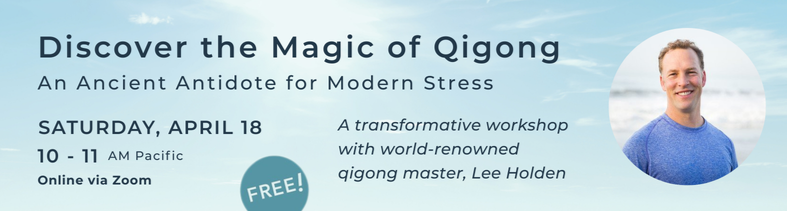
On April 18, Lee will be leading a free Quest qigong workshop for the third time, and this year it will be filmed in his professional studio. Everyone who signs up will have unlimited access to the routine he teaches, and if you can’t attend live, you’ll receive a recording.
I’m especially excited for this year’s workshop, because Lee’s focus will include guiding us to feel a strong connection to the ever-present “eternal sunshine”—the light, love, and beauty my father discovered on his healing journey that inspired this entire platform. I hope you’ll join us to discover the magic of qigong for yourself!